
Wisdom Teeth Removal

Expert Care for a common problem

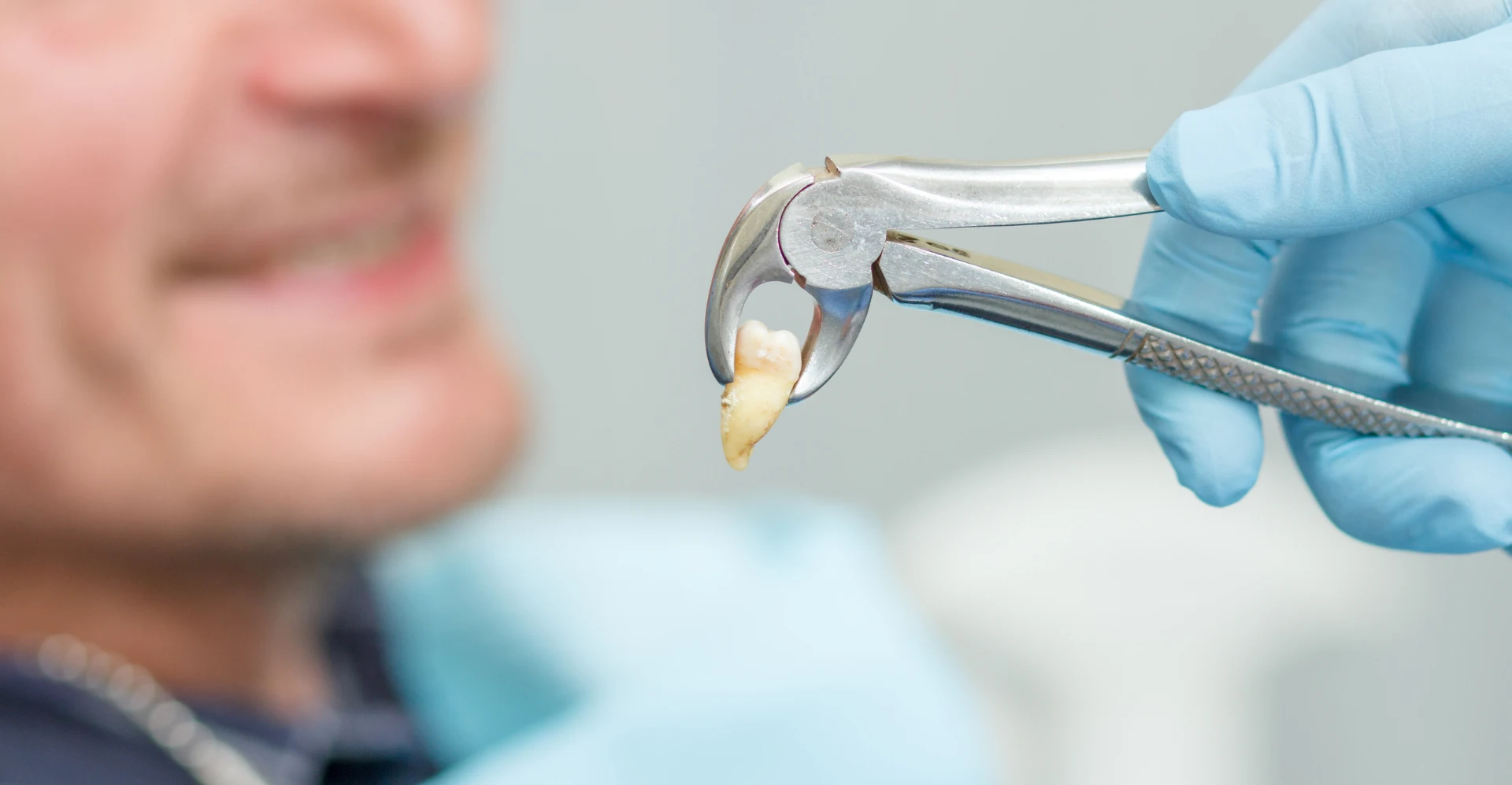
Wisdom teeth removal is one of the most common dental procedures, and at Gleam Dental, we perform it safely and comfortably right here in our office. Using advanced technology and proven techniques, we help patients navigate this important procedure with minimal discomfort and optimal results.

Whether your wisdom teeth are causing pain, are at risk of problems, or need preventative removal, our experienced team is here to provide the expert care you deserve.

Woman smiling sitting in a dentist chair

What Are Wisdom Teeth?

Wisdom teeth, also called third molars, are the last teeth to develop and typically emerge in the late teens or early twenties. Most people have four wisdom teeth—one in each corner of the mouth. These teeth are a remnant from our ancestors who needed extra molars to grind down plant tissue and raw foods.

Today, our jaws are often smaller, and there frequently isn’t enough room for wisdom teeth to emerge properly. This lack of space can lead to various problems that make removal necessary.

Why Do Wisdom Teeth Need to Be Removed?

Not everyone needs a wisdom teeth removal, but many people do. Common reasons for wisdom teeth extraction include:

Impaction

When there isn’t enough room in the jaw, wisdom teeth can become impacted—meaning they’re unable to fully emerge through the gum tissue. Impacted wisdom teeth can be:

  • Partially impacted: Part of the tooth has emerged, but part remains trapped beneath the gum
  • Fully impacted: The entire tooth remains trapped in the jawbone or gum tissue

Impacted teeth can grow at various angles, sometimes even horizontally, pressing against adjacent teeth.

Crowding and Misalignment

Even if wisdom teeth do emerge, they can push against other teeth, causing crowding, shifting, and misalignment. This is especially concerning if you’ve had orthodontic treatment, as wisdom teeth can undo years of careful alignment.

Infection and Inflammation

Partially erupted wisdom teeth create pockets where bacteria, food particles, and plaque can accumulate. This often leads to:

  • Pericoronitis: Painful infection and inflammation of the gum tissue around the wisdom tooth
  • Recurring infections that are difficult to treat
  • Swelling, pain, and difficulty opening your mouth

Decay and Gum Disease

Wisdom teeth are located far back in the mouth, making them extremely difficult to clean properly. This increases the risk of:

  • Cavities in the wisdom teeth themselves
  • Decay in adjacent teeth
  • Gum disease affecting surrounding tissues

Cysts and Tumors

In rare cases, impacted wisdom teeth can lead to the development of cysts (fluid-filled sacs) or tumors in the jawbone, which can damage the bone and neighbouring teeth.

Pain and Discomfort

Many patients experience ongoing pain, pressure, or discomfort from their wisdom teeth, even without obvious infection or decay. This persistent discomfort is often reason enough for removal.

Gleam Dental Approach to Wisdom Teeth Removal

Advanced Diagnostic Imaging

Before your procedure, we use our low-dose CBCT (Cone Beam CT) scanner to create detailed 3D images of your wisdom teeth, jawbone, nerves, and surrounding structures. This advanced imaging allows us to:

  • Determine the exact position and angulation of your wisdom teeth
  • Identify the proximity of teeth to nerves and sinuses
  • Plan the safest, most effective extraction approach
  • Anticipate and prevent potential complications
  • Minimize surgical time and trauma

This level of precision simply isn’t possible with traditional 2D X-rays, and it’s one of the ways we ensure the best possible outcomes for our patients.

Comfortable, In-Office Procedure

Wisdom teeth removal is performed comfortably in our office. We offer various options to ensure your procedure is as stress-free as possible, and we’ll discuss the best approach for your specific situation and anxiety level during your consultation.

PRF Therapy for Enhanced Healing

At GLEAM Dental, we use PRF (Platelet-Rich Fibrin) therapy to accelerate healing after wisdom teeth removal. PRF is a natural, blood-derived concentrate from your own body that delivers growth factors and platelets to the surgical site.

Benefits of PRF include:

  • Accelerated healing and tissue regeneration
  • Reduced inflammation and swelling
  • Decreased post-operative pain
  • Lower risk of infection
  • Improved bone quality at the extraction site
  • Reduced risk of dry socket (a painful complication)

PRF is completely natural and biocompatible—your body won’t reject it because it comes from you. This cutting-edge therapy represents our commitment to providing the most advanced care available.

Our Experienced Team

Our dentists have extensive training and experience in surgical extractions, including complex impacted wisdom teeth. We perform these procedures regularly, and our expertise ensures efficient, safe removal with minimal discomfort.


What to Expect: The Wisdom Teeth Removal Process

Initial Consultation

During your consultation, we will:

  • Take detailed 3D images of your wisdom teeth and jaw
  • Discuss your symptoms and concerns
  • Explain the procedure and what to expect
  • Review sedation and comfort options
  • Answer all your questions
  • Provide a clear treatment plan

The Procedure

On the day of your extraction:

  1. Anesthesia: We’ll ensure you’re completely comfortable before beginning
  2. Gentle extraction: Using specialized instruments and techniques, we carefully remove the wisdom tooth or teeth
  3. PRF application: We apply PRF to the extraction sites to promote healing
  4. Sutures if needed: Dissolvable sutures may be placed to aid healing
  5. Post-operative instructions: We’ll provide detailed care instructions before you leave

The procedure typically takes 45 minutes to an hour, depending on the complexity and number of teeth being removed.

Recovery and Aftercare

Most patients recover from wisdom teeth removal within a few days to a week. We provide comprehensive aftercare instructions, including:

Immediate aftercare (first 24-48 hours):

  • Apply ice packs to reduce swelling
  • Take prescribed or recommended pain medication
  • Eat soft, cool foods
  • Avoid using straws (suction can dislodge blood clots)
  • Rest and avoid strenuous activity
  • Keep your head elevated while sleeping

Ongoing care:

  • Gently rinse with warm salt water after 24 hours
  • Continue eating soft foods for several days
  • Gradually reintroduce normal foods as comfort allows
  • Maintain oral hygiene while being gentle around extraction sites
  • Attend your follow-up appointment

What’s normal:

  • Some swelling and bruising
  • Mild to moderate discomfort
  • Light bleeding for the first day
  • Difficulty opening your mouth fully for a few days

When to call us:

  • Severe, increasing pain not relieved by medication
  • Heavy bleeding that doesn’t slow down
  • Fever over 100°F
  • Excessive swelling after 3 days
  • Numbness that doesn’t improve
  • Signs of infection (pus, and a foul odor)

We provide an emergency contact number so you can reach us with any concerns during your recovery.

Don’t Wait Until It Hurts

If you haven’t had your wisdom teeth evaluated, or if you’re experiencing symptoms, don’t wait. Early assessment and preventative removal when appropriate, can help you avoid pain, infection, and complications down the road.

Ready to discuss your wisdom teeth? Schedule a consultation with Gleam Dental today. We’ll provide a thorough evaluation using advanced 3D imaging and create a personalized treatment plan that’s right for you.
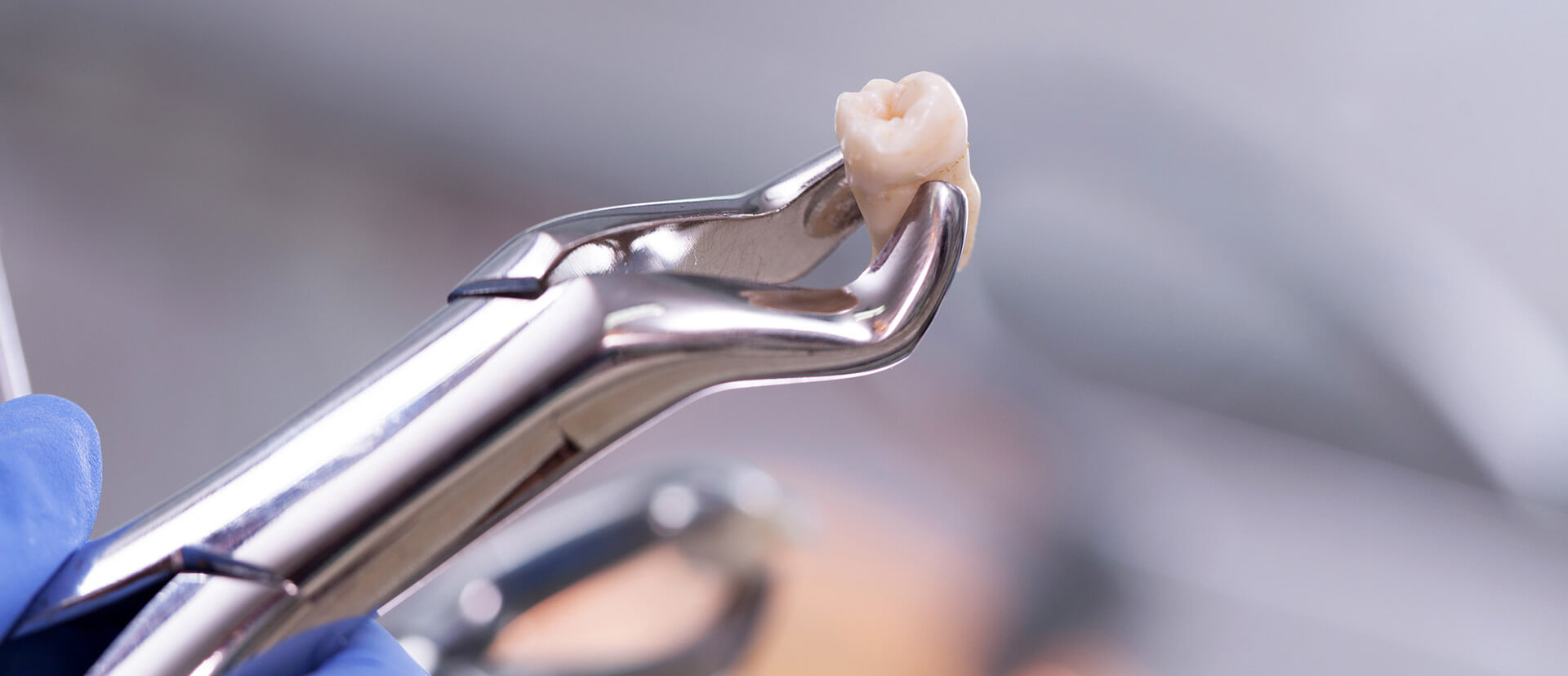
tooth extraction after wisdom teeth removal