
The Truth About Teeth Whitening: What Really Works (and What Doesn’t)
November 27, 2025
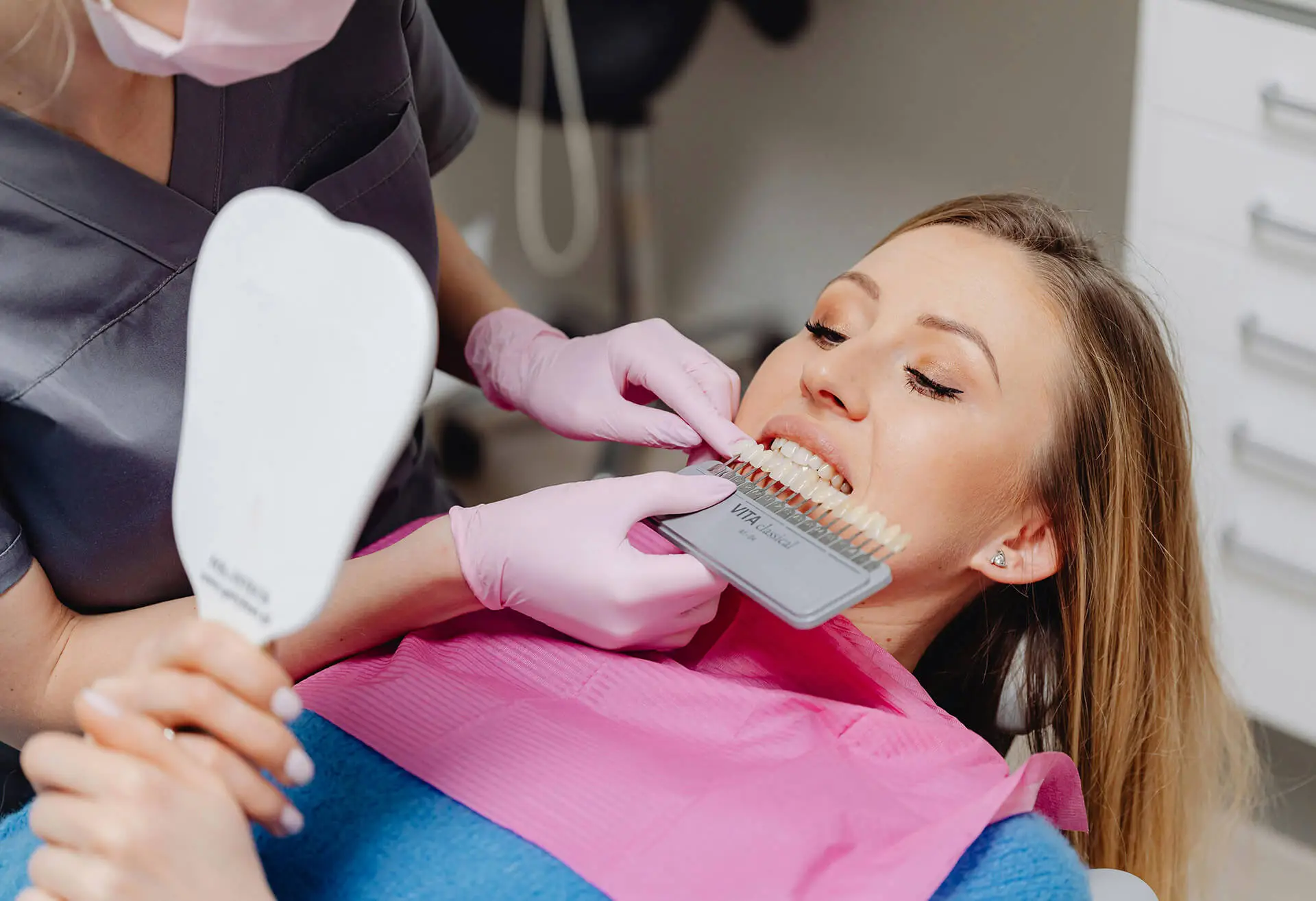
Table of Contents
A bright, white smile is often seen as a sign of health and confidence, which is why teeth whitening has become one of the most popular cosmetic dental treatments. But with so many products—from whitening strips to TikTok home hacks—it’s hard to know what’s effective, what’s safe, and what should be avoided altogether. Here’s what the science actually says.
What Does Work for Whitening Teeth
1. Professional In-Office Whitening
Best for: Fast, noticeable results
How it works: Dentists use high-concentration hydrogen peroxide or carbamide peroxide gels, sometimes activated by light or heat.
Why it works: These peroxide molecules penetrate enamel to break apart stain-causing pigments (called chromogens).
Pros:
- Dramatic whitening in one visit
- Supervised by professionals
Cons:
- More expensive
- Temporary tooth sensitivity is common
Science says: This is the most effective whitening method available and produces the fastest results.
2. Dentist-Provided Take-Home Whitening Kits
Best for: Controlled, gradual whitening
How it works: You receive custom trays and professional-grade whitening gel to use at home for 1–2 weeks.
Pros:
- Stronger than store-bought products
- Lower risk of gum irritation thanks to custom trays
Cons:
- Results take longer than in-office treatment
Science says: Highly effective, and often considered the “gold standard” for whitening safely and consistently.
3. Over-the-Counter Whitening Strips
Best for: Mild staining and budget-friendly whitening
How it works: Flexible strips coated with a low-concentration peroxide gel adhere to teeth for 30–60 minutes.
Pros:
- Affordable
- Noticeable results in 1–2 weeks
Cons:
- May cause tooth sensitivity
- Less effective on deeper stains
Science says: Research consistently shows whitening strips work—just more slowly and less dramatically than professional treatments.
4. Whitening Toothpaste (for Surface Stains)
Best for: Preventing discoloration, not changing tooth color
How it works: Most whitening toothpastes use mild abrasives (like silica) or chemical agents that help break down surface stains.
Pros:
- Good for maintenance
- Safe for long-term use
Cons:
- Cannot lighten the natural internal color of teeth
Science says: Effective for removing coffee, tea, and tobacco stains on the surface, but won’t make teeth significantly whiter on their own.
What Doesn’t Work (or May Be Harmful)
1. DIY Baking Soda + Lemon Juice
This is a popular online hack—but dangerous.
- Lemon juice is highly acidic and erodes enamel permanently
- Baking soda is abrasive and can wear enamel when overused
Once enamel is gone, it doesn’t grow back. This method can make teeth more yellow by thinning the enamel and exposing the darker dentin underneath.
2. Coconut Oil Pulling
Promoted in many natural health circles, this involves swishing coconut oil for 10–20 minutes.
- There is no scientific evidence that oil pulling whitens teeth.
- It may provide some oral health benefits, but whitening is not one of them.
3. Whitening Pens (for Long-Term Whitening)
Pens can help brighten teeth temporarily or maintain color, but:
- They contain low amounts of peroxide
- Results fade quickly
- Not effective for deep staining
They are fine for touch-ups, but not for significant whitening.
4. Activated Charcoal Toothpaste
Despite its popularity, studies show:
- Charcoal is abrasive and can damage enamel
- It does not whiten teeth beyond removing surface staining
- It may increase sensitivity
Dentists generally advise against long-term use.
5. Light Devices Sold Online
Many LED whitening kits use a blue light that looks like professional setups, but:
- The lights themselves usually have no proven whitening effect
- Whitening occurs from the peroxide gel, not the light
- Some lights are purely cosmetic “glow” accessories
Real whitening lights used by dentists are different—they may raise gel temperature slightly, improving peroxide activity.
Why Teeth Get Stained (and What You Can Prevent)
Common causes include:
- Coffee, tea, red wine, and dark sodas
- Tobacco
- Aging (enamel thins over time)
- Certain medications
- Excess fluoride intake during tooth development
Reducing exposure to staining habits and practicing good oral hygiene can help maintain results after whitening.
How to Whiten Teeth Safely
- Consult your dentist, especially if you have crowns, veneers, or fillings—they don’t whiten.
- Use peroxide-based products, which are the only scientifically proven whitening agents.
- Avoid abrasives and acids that can permanently damage enamel.
- Follow product instructions to minimize sensitivity and gum irritation.
- Maintain results with good hygiene and occasional touch-ups.
The Bottom Line
Many whitening trends online promise dazzling results, but only peroxide-based treatments—whether professional or over-the-counter—have strong scientific support. If you’re looking for the safest and most effective whitening, professional treatments (in-office or dentist-supervised at home) remain the gold standard. Products like whitening strips can help for mild stains, while toothpaste is best for maintenance.
Home remedies, charcoal products, and acid-based hacks are either ineffective or harmful and should be avoided.