
Do Braces Fix Underbite?
August 20, 2026
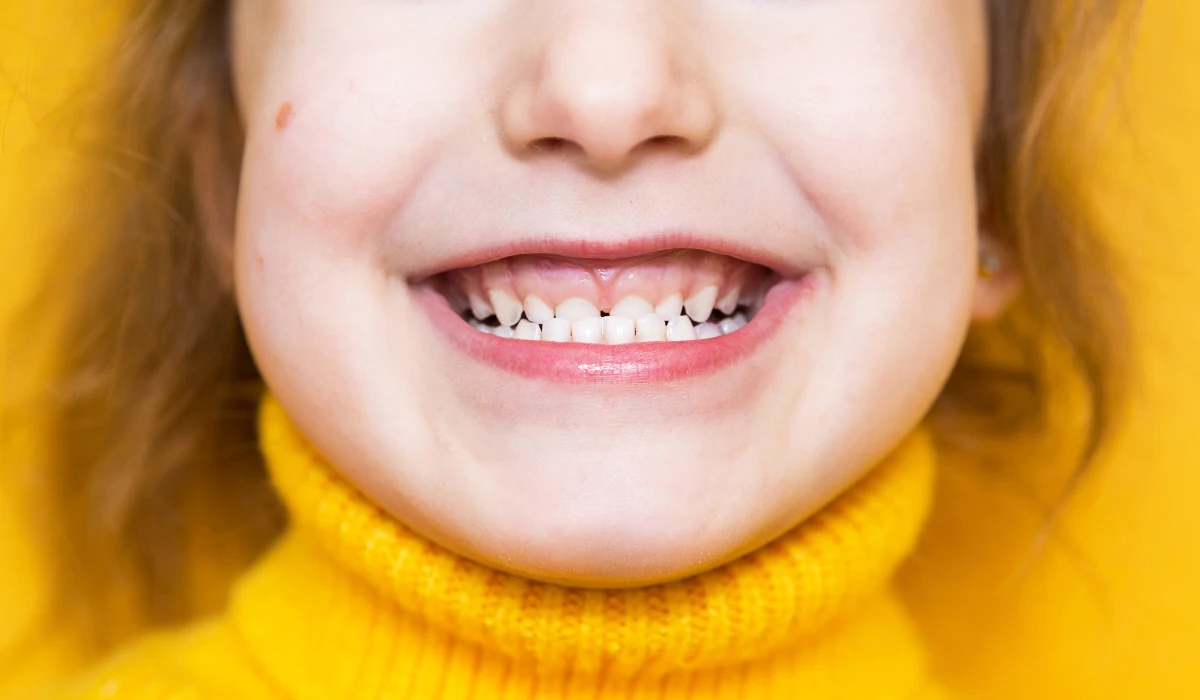
Table of Contents
Braces can fix many underbites by moving the upper and lower teeth into better alignment. However, some underbites also involve the position or development of the jaw. These cases may require braces alongside another orthodontic treatment.
As cosmetic dentists in Toronto, we evaluate the full bite, including tooth alignment and jaw position, before recommending treatment.
An underbite occurs when your lower front teeth sit in front of your upper front teeth when you close your mouth.
Most Underbite Correction Treatments Start With Braces or Invisalign
Braces
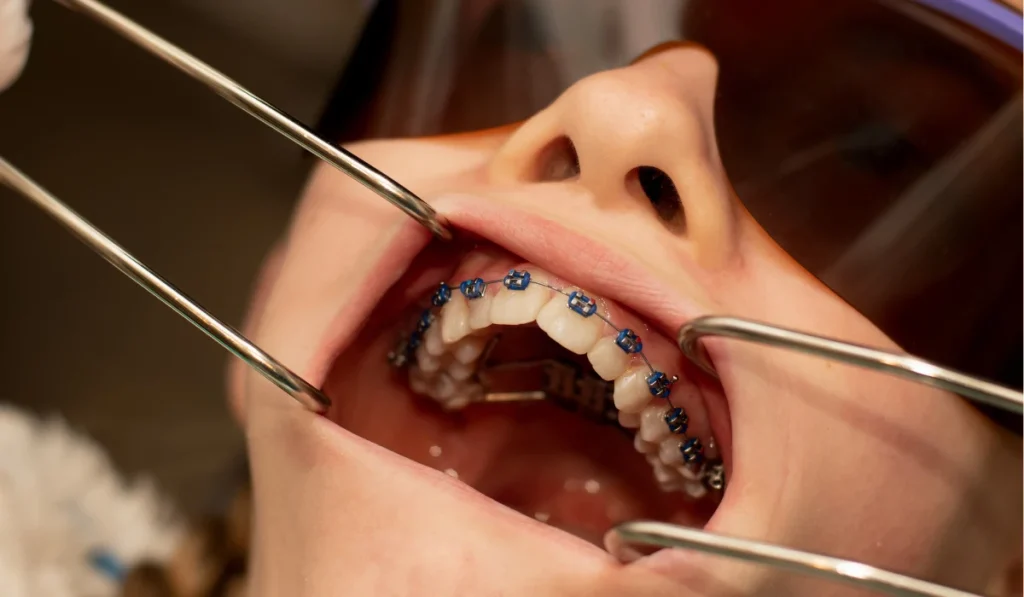
Braces use brackets and wires to gradually reposition the teeth. Elastics can also help improve how the upper and lower teeth meet.
Braces work especially well for dental underbites caused by tooth position. More complex cases may require braces alongside other treatments.
Invisalign
Invisalign uses custom clear aligners to move teeth in planned stages. Attachments and elastics can support more complex movements.
Invisalign can treat selected underbites, especially when tooth position causes most of the problem.
Braces and Invisalign can both correct underbites by changing how the upper and lower teeth align. However, severe underbites caused by jaw position may require additional treatment, including jaw surgery.
To compare braces and Invisalign, read our guide on which option may suit you best.
3 Types of Underbite
An underbite is clinically known as a Class III malocclusion. Dentists then assess whether it is dental, skeletal, or a combination of both.
1. Dental Underbite
Happens when tooth position causes the lower teeth to sit ahead of the upper teeth. Braces or Invisalign can often correct these cases.
2. Skeletal Underbite
Involves the jaw structure, in which the lower jaw may sit too far forward, or the upper jaw may sit too far back. Children may benefit from jaw growth appliances. Severe adult cases may require jaw surgery with braces.
3. Combined Underbite
Involves both tooth position and jaw structure. Treatment may require orthodontics alongside another corrective treatment.
Early Underbite Treatments for Children Under 12
The Canadian Association of Orthodontists recommends an orthodontic assessment by age seven. By then, enough permanent teeth have emerged for dentists to assess bite and jaw development.
1. Palatal Expander
A palatal expander is fixed to the upper back teeth and sits across the palate. Small adjustments gradually widen the upper jaw while the bone is still developing. It can help when a narrow upper jaw contributes to the underbite.
2. Reverse Pull Headgear
Reverse pull headgear helps bring an underdeveloped upper jaw forward. The external appliance connects to the upper teeth or an expander with elastics. It applies gentle forward pressure while the jaw grows. Dentists often pair it with a palatal expander for skeletal underbites.
3. Braces
Braces reposition the teeth and correct the dental part of an underbite. They can align both arches after an appliance improves the jaw relationship. In other cases, braces may be the only treatment required.
4. Myobrace
Myobrace is a removable pre-orthodontic appliance for children ages three to 15. It helps correct mouth breathing, tongue position, and swallowing habits that can affect dental development. Children typically wear it briefly during the day and overnight.
Underbite Correction Options for Teens and Adults
As jaw growth nears completion, dentists have fewer opportunities to guide jaw development. Treatment then depends on how much correction can come from moving the teeth. Mild cases may respond to orthodontics alone but severe skeletal underbites may require jaw surgery.
1. Braces
Braces can correct dental underbites and camouflage some mild skeletal cases. They can move upper front teeth forward and lower front teeth backward. Elastics may provide additional force to improve the bite.
For surgical cases, braces often align the teeth before jaw surgery. Treatment usually continues afterward to refine the final bite.
2. Invisalign
Invisalign can correct selected mild underbites through controlled tooth movement. Attachments and elastics may help achieve movements that aligners cannot produce alone.
It cannot reposition a significantly misaligned adult jaw. Gleam Dental assesses your bite with an iTero Lumina 3D scan before determining whether Invisalign can achieve the required correction.
3. Tooth Extraction
Dentists may recommend extraction when crowded or protruding lower teeth contribute to the underbite. Removing selected teeth creates space that braces or clear aligners can use to move the remaining teeth backward.
It does not change the underlying jaw structure, so dentists reserve this option for carefully selected cases.
4. Jaw Surgery
Orthognathic surgery treats severe skeletal underbites that braces or aligners cannot correct alone. An oral and maxillofacial surgeon repositions the upper jaw, lower jaw, or both so the teeth can meet in a healthier bite.
Doctors usually perform surgery after jaw growth is complete. Braces often come before surgery to position the teeth correctly, then continue afterward to fine tune the bite.
Ready to Discuss Underbite Treatment in Toronto?
At Gleam Dental®, your orthodontic assessment starts with a detailed 3D scan and a review of your tooth position, bite, and jaw relationship. Our team can determine whether braces, Invisalign, or another treatment approach makes the most sense for your underbite.
We are located seven minutes from Dundas West Station, with free dedicated parking available on site. We also offer direct billing with most insurance companies and flexible payment plans to help bring your dream smile within reach.