Do Braces Fix Overbite?
September 17, 2026
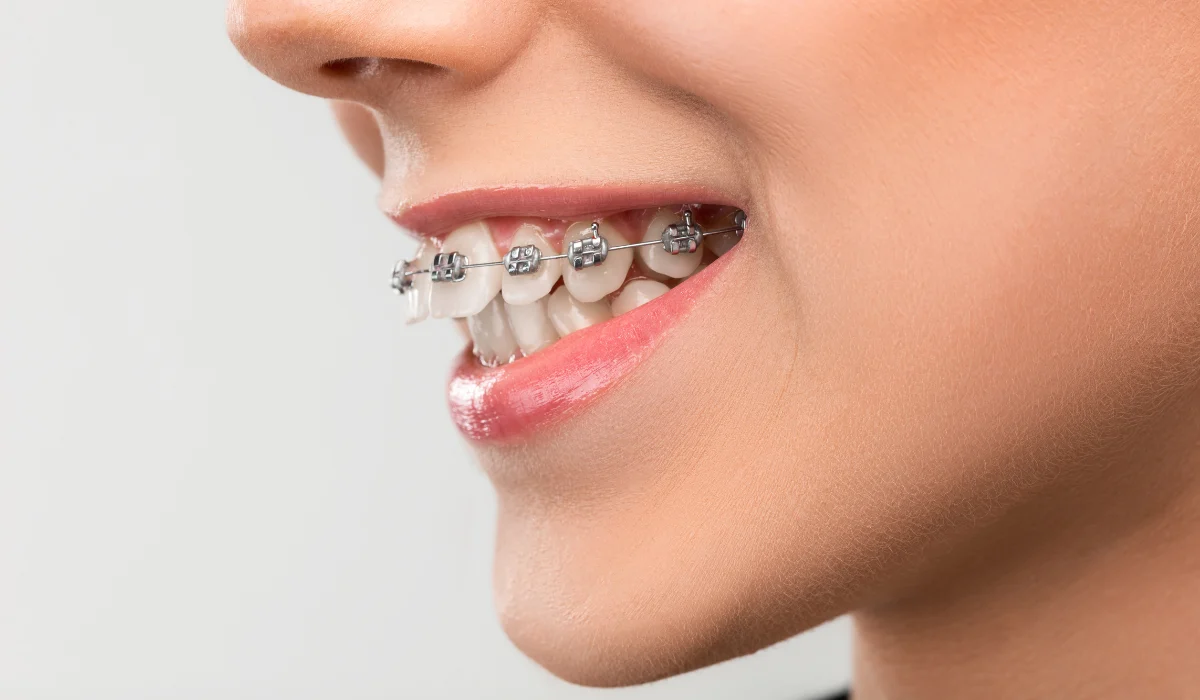
Table of Contents
Almost everyone has an overbite to some degree, and a slight one is completely normal. Your upper front teeth are meant to overlap the lower ones when you close your mouth. It is a concern when the upper teeth cover the lower teeth by more than 2 to 4 mm, which is the point dentists start calling it a deep bite.
Braces correct overbite by moving the teeth into better alignment. Some overbites involve the position or growth of the jaw, and those cases need braces alongside another orthodontic treatment.
As cosmetic dentists in Toronto, we assess the full bite, including tooth alignment and jaw position, before recommending any treatment.
Obervite vs Overjet
Most people confuse an overjet with an overbite. An overbite is a vertical overlap, where the upper front teeth sit too far down over the lower front teeth. On the other hand, an overjet is horizontal, where the upper front teeth angle forward and stick out past the lower teeth, sometimes called buck teeth.
Both are treated with braces but the treatment plan looks very different. A dental consultation is the best place to start.
Is an Overbite Preventable?
Some overbites come down to genetics, where the jaw shape or size passes through the family, and those cases cannot be prevented. Another cause is childhood habits such as prolonged thumb-sucking, use of a pacifier past age 3, or tongue thrusting.
This is why seeing your dentist often matters. We recommend a first visit as early as age 1, then a check-up every 6 months to a year. Regular visits catch a developing overbite early, while the jaw still responds well to gentle guidance.
Most Overbite Correction Starts With Braces or Invisalign
Braces
Braces use brackets and wires to move the teeth into place over time. Elastics add extra force to improve how the upper and lower teeth meet.
Braces work well for dental overbites, where tooth position causes the deep bite. Deeper or jaw-related cases may need braces alongside another treatment.
Invisalign
Invisalign uses custom clear aligners to shift the teeth in planned stages. Attachments and elastics help with movements the aligners cannot manage on their own.
Invisalign treats mild to moderate overbites well, especially when tooth position drives the problem.
Braces and Invisalign both correct overbite by changing how the upper and lower teeth line up. Severe overbites caused by jaw position may need extra treatment, including jaw surgery.
To weigh braces against Invisalign, read our guide on which option may suit you best.
3 Types of Overbite
An overbite is clinically known as a Class II malocclusion. Dentists then assess whether it is dental, skeletal, or a combination of both.
1. Dental Overbite
Happens when tooth position causes the upper front teeth to overlap the lower teeth too far. Braces or Invisalign can often correct these cases.
2. Skeletal Overbite
Involves the jaw structure, in which the lower jaw may sit too far back, or grow shorter than the upper jaw. Children may benefit from jaw growth appliances. Severe adult cases may require jaw surgery with braces.
3. Combined Overbite
Involves both tooth position and jaw structure. Treatment may require orthodontics alongside another corrective treatment.
Early Overbite Treatments for Children Under 12
Children respond well to early treatment, since the jaw is still growing and easier to guide. A first orthodontic assessment around age 7 is recommended, since most permanent front teeth have emerged by then and a developing overbite becomes easier to spot.
1. Partial Braces
Partial braces move the front teeth into place during a first phase of treatment, often while some baby teeth remain. It reduces the severity of the overbite before full braces later on.
2. Twin Block Appliance
A removable appliance worn in both jaws that guides the lower jaw forward into a better position. It suits growing children whose overbite comes from a lower jaw that sits too far back.
3. Palate Expander
A device fitted to the upper jaw that widens a narrow arch and creates room for the teeth. A wider upper arch helps the bite meet evenly and supports later alignment.
4. Myobrace
A series of removable trainers worn a few hours a day plus overnight, aimed at the habits behind a developing overbite. It targets mouth breathing, tongue position, and swallowing patterns in children aged 3 to 15.
Overbite Correction Options for Teens and Adults
Adult teeth and jaws have stopped growing, which changes the treatment approach. Braces and Invisalign correct dental overbites well, while jaw-related cases may need extra treatment.
1. Braces
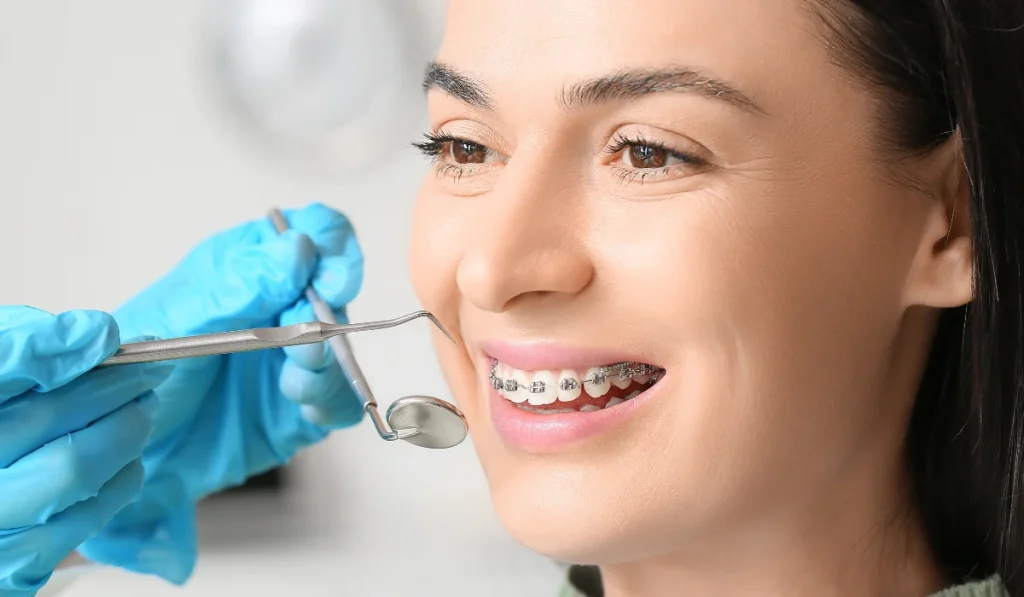
Braces move the teeth into place using brackets and wires, and elastics adjust how the upper and lower teeth meet. They handle a wide range of overbites, including deeper cases that aligners cannot manage alone.
2. Invisalign
Invisalign uses a series of clear aligners to shift the teeth into place, with attachments and elastics for added control. It works well for mild to moderate overbites in patients who wear the aligners the required hours each day.
At Gleam Dental®, we scan your bite with the iTero Lumina before deciding whether Invisalign can achieve the correction you need. We map your treatment with ClinCheck software, so you see a preview of your projected result before treatment begins.
3. Tooth Extraction
Crowding can leave the front teeth pushed forward, which makes an overbite more evident. Removing one or more teeth creates space to draw the front teeth back. This is usually the first step, followed by braces or aligners that move the teeth into their corrected position.
4. Jaw Surgery
Braces and aligners move teeth, but they cannot change the size or position of the jaw bones. A severe skeletal overbite in an adult, where the lower jaw sits too far back or the upper jaw grew too far forward, may need orthognathic surgery to correct the bite fully.
You’ll need braces for 6 to 12 months before the surgery to align teeth within each jaw, then a final phase of braces to settle the bite. The entire treatment length runs 18 to 30 months. Most patients also wear retainers at night afterward to keep the teeth in position.
Ready to Fix Your Overbite in Roncesvalles, Toronto?
At Gleam Dental, your overbite assessment starts with an iTero Lumina 3D scan and a full review of your teeth, bite, and jaw position. Both Dr. Lidiya Zavalishina and Dr. Maíra Knop guide you through whether braces, Invisalign, or a combined approach suits your case, and what a realistic result looks like.
We are located just 7 minutes from Dundas West Station, with free dedicated parking on-site for patients who drive. We direct bill most insurance providers, and orthodontic coverage often applies toward treatment under a separate lifetime maximum.
Book your orthodontic assessment in Toronto today.